Seasonal Landscape Maintenance Checklist for Property Managers
Commercial properties need more than curb appeal. They need consistent, well-planned care that adapts with each season. That’s why seasonal landscape maintenance importance is at the top of most property manager landscaping responsibilities. When done correctly, seasonal landscape maintenance importance protects your investment, reduces unnecessary repairs, and keeps your site looking its best all year. For busy property managers, understanding seasonal landscape maintenance importance is the difference between proactive care and costly emergencies.
This seasonal lawn care guide walks through the essential tasks for every season, helping you build a reliable landscape maintenance checklist that keeps your property healthy, safe, and professional.
Why Seasonal Landscape Maintenance Matters for Property Managers
Property managers juggle dozens of responsibilities, which is why understanding seasonal landscape maintenance importance helps simplify year-round planning. Every season brings unique challenges. A proactive approach to seasonal landscape maintenance importance reduces liability, improves aesthetics, and ensures your landscape stays functional and safe. Consistent planning also results in lower long-term costs and fewer surprises.
Spring Landscape Maintenance
Spring sets the tone for everything ahead. It’s the moment you wake up your landscape, repair winter damage, and prepare lawns and plants for growth. A strong spring ensures fewer issues later—which is why a detailed spring landscape maintenance checklist makes such a big difference.
Here’s what every property manager should include in their spring landscape maintenance checklist:
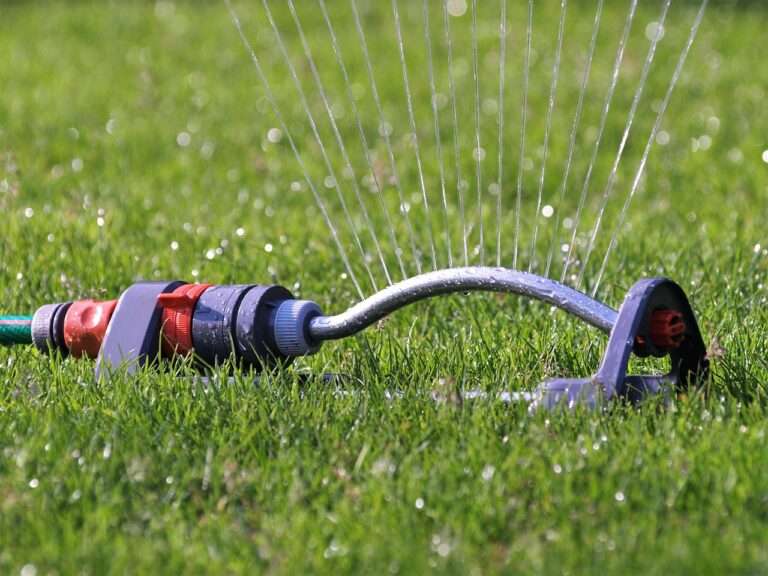
- Inspect irrigation systems for leaks or clogs
- Clean up debris and prune dead branches
- Edge sidewalks and flower beds
- Apply pre-emergent herbicides and slow-release fertilizers
- Resolve drainage issues
- Refresh mulch to retain moisture
These early spring steps lay the groundwork for success. Following a spring landscape maintenance checklist also helps coordinate maintenance teams across large or multi-site portfolios.
Essential Summer Maintenance Tasks for Commercial Properties
Summer heat tests every landscape. High temperatures, drought pressure, weeds, and pests all intensify—making a reliable summer landscape maintenance checklist essential. This season requires vigilance and fast adjustments.
Your summer landscape maintenance checklist should include:
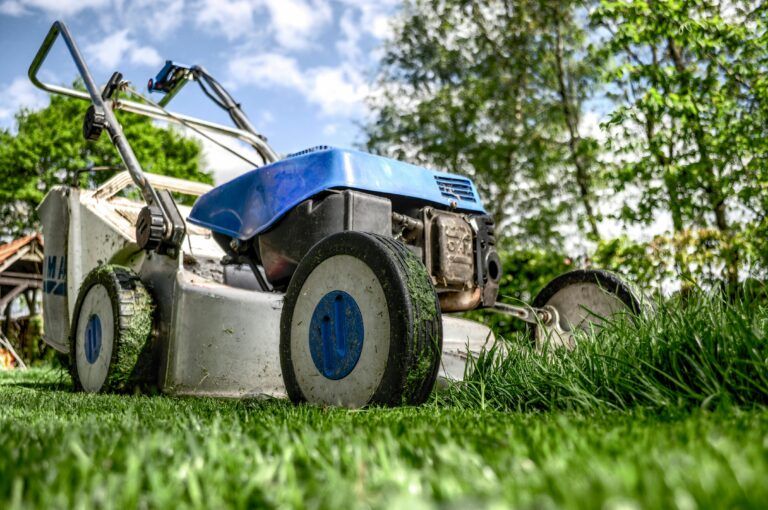
- Routine mowing and edging
- Seasonal irrigation adjustments
- Monitoring turf for pests or fungus
- Removing invasive or overgrown plants
- Trimming tree limbs for safety
Consistent use of a summer landscape maintenance checklist helps maintain appearance, avoid disease outbreaks, and reduce long-term damage.
Fall Cleanup and Preparation
Fall is the preparation season—the bridge between summer growth and winter dormancy. Every fall landscape maintenance checklist aims to clean, strengthen, and protect your landscape before freeze season.
A strong fall landscape maintenance checklist includes:
- Removing leaves and debris
- Aerating compacted soil
- Applying fall fertilizer
- Planting trees and shrubs
- Wrapping vulnerable young trees
- Cutting back perennials
Fall tasks reduce winter stress and help turf bounce back stronger in spring. Following a structured fall landscape maintenance checklist keeps commercial sites neat and hazard-free.
Winter Landscape Planning
Winter is quieter, but it’s still an essential part of year-round landscape maintenance. For commercial properties, a dependable winter landscape maintenance checklist ensures infrastructure and plant materials stay protected.
Your winter landscape maintenance checklist may include:
- Applying protective mulch
- Blowing out irrigation systems
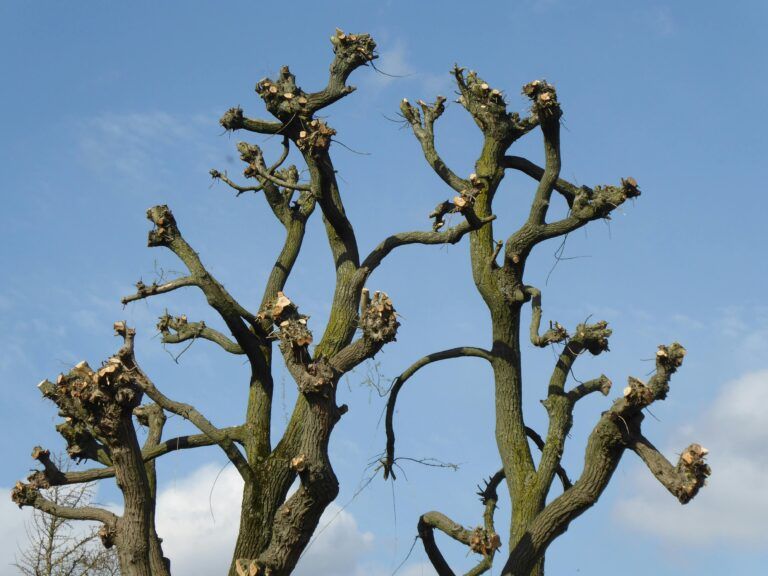
- Pruning dormant trees
- Scheduling snow removal
- Inspecting drainage channels
With a smart winter landscape maintenance checklist, you’ll minimize freeze damage and prepare your property for spring.
Why Seasonal Lawn Care Helps Property Managers Stay Ahead
Property managers who embrace year-round landscape maintenance enjoy healthier landscapes, predictable budgets, and fewer emergencies. A consistent year-round landscape maintenance plan supports better vendor coordination and faster response times. With year-round landscape maintenance, you turn chaotic seasonal shifts into organized, manageable routines.
How to Build a Year-Round Landscape Maintenance Strategy
Developing a strong annual plan means balancing all four seasonal checklists into one system. Successful year-round landscape maintenance schedules include:
- Monthly site evaluations
- Seasonal budget forecasting
- Clear expectations for maintenance crews
- Storm-readiness steps
- Turf, tree, and irrigation planning
When all four seasonal checklists function together, your landscape stays consistent and professional.
Common Seasonal Landscaping Mistakes to Avoid
Even experienced managers run into issues. The most common landscape maintenance mistakes include:
- Skipping irrigation inspections
- Pruning at the wrong time
- Over-fertilizing in summer heat
- Neglecting fall cleanup
- Forgetting to winterize irrigation lines
Avoiding these common landscape maintenance mistakes reduces costs, prevents plant loss, and avoids safety risks. Many property issues, like drainage failures or turf disease, stem from these common landscape maintenance mistakes, making prevention critical.
Turning Checklists into Results
Having a formal landscape maintenance checklist isn’t just about organization—it’s the foundation for predictable success. Checklists improve oversight, help you set standards, and ensure your commercial landscape maintenance team delivers consistent results across every season.
At Delk Management, we provide structured seasonal programs built around your regional conditions, property layout, and budget needs. Our team handles the heavy lifting, offering property managers peace of mind and reliable outcomes.
If you’re ready to create a proactive maintenance strategy or want support streamlining your existing plan, we’re here to help.
Reach out today to build a seasonal maintenance plan that truly works.