Best Time to Aerate Your Lawn in Spokane
Every fall, Spokane homeowners start poking at their lawns, literally, trying to figure out if it’s time to aerate. Some go ahead and rent a machine. Others wait and hope the lawn bounces back on its own. A few Google it, get three different answers, and do nothing. If that last one sounds familiar, this is for you.
Aeration isn’t complicated, but the timing does matter, and the advice you’ll find online is usually written for Seattle’s rainy climate, not Eastern Washington’s. At Delk, we’ve been working in Spokane’s soil long enough to know the difference, and this guide gives you a straight local answer.
Why Aeration Matters More in Spokane Than Most People Realize
Lawn aeration in Spokane, WA, isn’t just a nice seasonal ritual. It’s genuinely necessary for most lawns here. Spokane’s volcanic ash soils compact more readily than average, and once compacted, they restrict the movement of water, air, and nutrients down to the root zone.
The result is a lawn that looks stressed even when you’re watering and fertilizing on schedule.
Soil compaction in Spokane lawns tends to build up gradually, which is why a lot of homeowners don’t notice it until their grass is already struggling. High foot traffic, heavy clay content in some areas, and repeated mowing on dry ground all accelerate the problem.
Spring vs. Fall Aeration: What the Timing Actually Depends On
Most articles will tell you fall is the only right answer. That’s mostly true for Spokane, but not universally. The real answer depends on your grass type, your lawn’s current condition, and what you’re trying to accomplish.
The best time to aerate a lawn in Spokane comes down to when your grass is actively growing and has enough recovery time ahead of it. Cool-season grasses, which make up the vast majority of Spokane lawns, grow most vigorously in spring and fall.
Aerating during those windows gives the turf the best chance to fill in the holes quickly and take advantage of the improved soil conditions.
The Best Window for Fall Lawn Aeration in Spokane
Fall is the preferred season for most Spokane homeowners, and for good reason. Aerating between late August and mid-October gives cool-season grasses a strong recovery window before the ground freezes. Soil temperatures are still warm enough to support root growth, weed pressure is lower than in spring, and the timing lines up perfectly with overseeding and a fall fertilization round.
For Kentucky bluegrass and tall fescue lawns, which are the most common grass types in the area, fall aeration followed by overseeding produces noticeably thicker turf by the following spring. If you’re unsure whether your lawn is showing the right signals, our post on signs your lawn needs aeration this fall walks through exactly what to look for.
When Spring Aeration Makes More Sense (and When It Doesn’t)
Spring lawn aeration in Eastern Washington makes sense in a few specific situations: your lawn has severe compaction from a hard winter, you’re dealing with heavy thatch buildup that’s choking new growth, or you simply missed the fall window and your lawn needs help before summer heat sets in.
What spring aeration doesn’t pair well with is pre-emergent weed control. Core aeration breaks up the soil barrier that pre-emergent applications rely on, so if weed prevention is part of your spring plan, you’ll need to choose one or the other, or talk to a pro about sequencing them correctly.
Our fertilization and spray services include that kind of seasonal planning so nothing gets applied at the wrong time.
How to Tell If Your Lawn’s Soil Is Actually Compacted
The simplest test is the screwdriver method: push a standard screwdriver into your lawn by hand. If it slides in easily to about six inches, your soil is in decent shape. If you’re straining to get it past three inches, compaction is likely the culprit behind your lawn’s poor performance.
Other signs your lawn needs aeration include water pooling on the surface after rain instead of soaking in, a spongy or thin feel underfoot, grass that browns out quickly despite regular watering, and visible thatch buildup thicker than half an inch.
If several of those sound familiar, it’s probably time. You can also dig into the difference between the two services with our guide on dethatching vs. aerating to figure out which one your lawn actually needs.
Core Aeration vs. Spike Aeration: Which One Does Your Lawn Need?
This one comes up a lot. Spike aeration uses solid tines to poke holes in the ground, while core aeration pulls out actual plugs of soil. For most Spokane lawns dealing with genuine soil compaction, core aeration is the right choice. Spike aeration can actually make compaction worse over time by pushing soil particles together rather than removing them.
Core aeration is more labor-intensive and requires the right equipment, but the results are significantly better for compacted, heavy soils. The soil plugs left on the surface after a core aeration break down within a few weeks and actually add organic matter back into the lawn.
How to Prepare Your Lawn Before Aerating
A few simple steps make a real difference. Mow your lawn a day or two before your scheduled aeration, cutting it slightly shorter than usual. Water the lawn thoroughly 24 to 48 hours beforehand so the soil is moist but not waterlogged. Lawn aeration before or after rain is worth thinking about; moist soil allows the tines to penetrate deeper, but saturated ground makes a mess and reduces the quality of the plugs.
Mark any irrigation heads, shallow utility lines, or other obstacles so the aerator operator knows where to avoid. It’s a simple step that prevents a frustrating repair.
What to Do Right After Aeration
This is where a lot of homeowners leave results on the table. Right after aeration is one of the best times to overseed and fertilize because the open channels give seed and nutrients direct access to the root zone. For Spokane lawns, aerate and overseed in the same visit to get the most out of the timing, particularly in fall when cooler temperatures and regular moisture support strong germination.
Water daily for the first two weeks after overseeding to keep the seed bed moist. Once the new grass is established, you can return to a normal watering schedule. Pairing aeration with the right grass seed matters too.
Our post on best grass types for Spokane lawns covers which varieties perform best in Eastern Washington’s climate.
How Often Should Spokane Lawns Be Aerated?
For most residential lawns in the Inland Northwest, once a year is the sweet spot. Lawns with heavy foot traffic, clay-heavy soil, or a history of compaction may benefit from twice-yearly aeration, once in spring and once in fall. Lawns with lighter use and sandier soil can often get away with aerating every other year.
How often to aerate a lawn in the Pacific Northwest also depends on how aggressively it’s being maintained. A lawn on a full fertilization and overseeding program will generally need more frequent aeration to keep the soil structure open and receptive.
For larger properties and commercial sites, a scheduled program through our lawn maintenance services takes the guesswork out entirely.
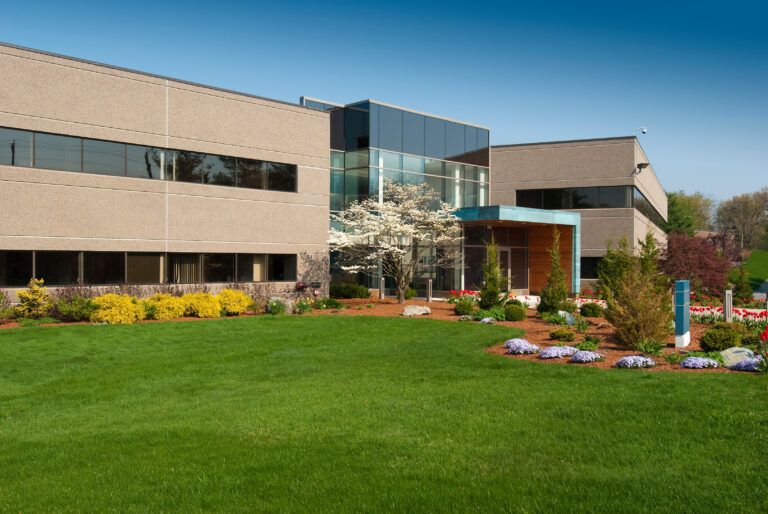
Commercial lawn aeration in Spokane comes with its own considerations, including coordinating around business hours, managing larger turf areas efficiently, and keeping detailed records for property managers. Our guide on preventing soil compaction in commercial lawns this fall is a good resource if you’re managing a larger site.
Ready to Get It Done Right?
Aeration is one of those services that’s easy to put off and hard to regret doing. At Delk Management, we’ve been aerating Spokane lawns since 2011 and we know what Eastern Washington’s soil actually needs.
Whether you’re a homeowner looking to thicken up a struggling lawn or a property manager scheduling fall maintenance across multiple sites, we’d love to help. Contact us for a free estimate.